
Product Details
This upgraded TB6600 Microstep Motor Driver is a high-performance controller ideal for 42 and 57 two-phase hybrid stepper motors, including Nema17 and Nema23 models. It is designed for use with motors requiring phase currents below 4.0A, making it a perfect choice for a variety of small and medium-sized automation systems.
Key Features:
- Compatible with 57 and 42 stepper motors (Nema17/Nema23) with torque up to 1.8N.m
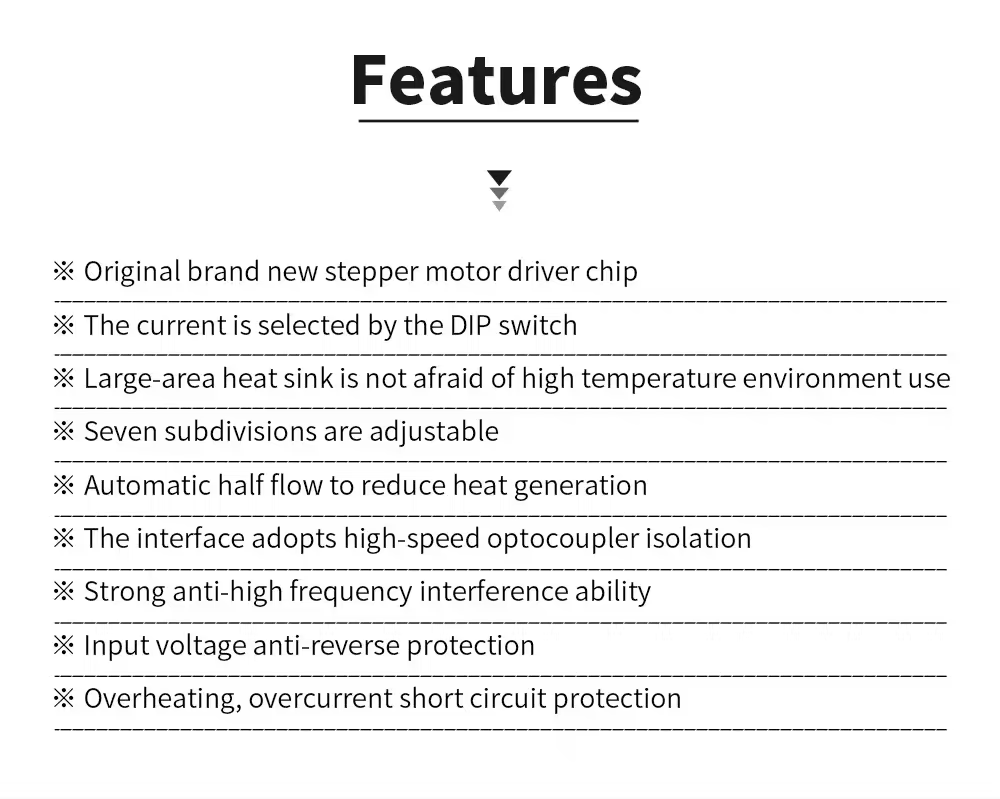
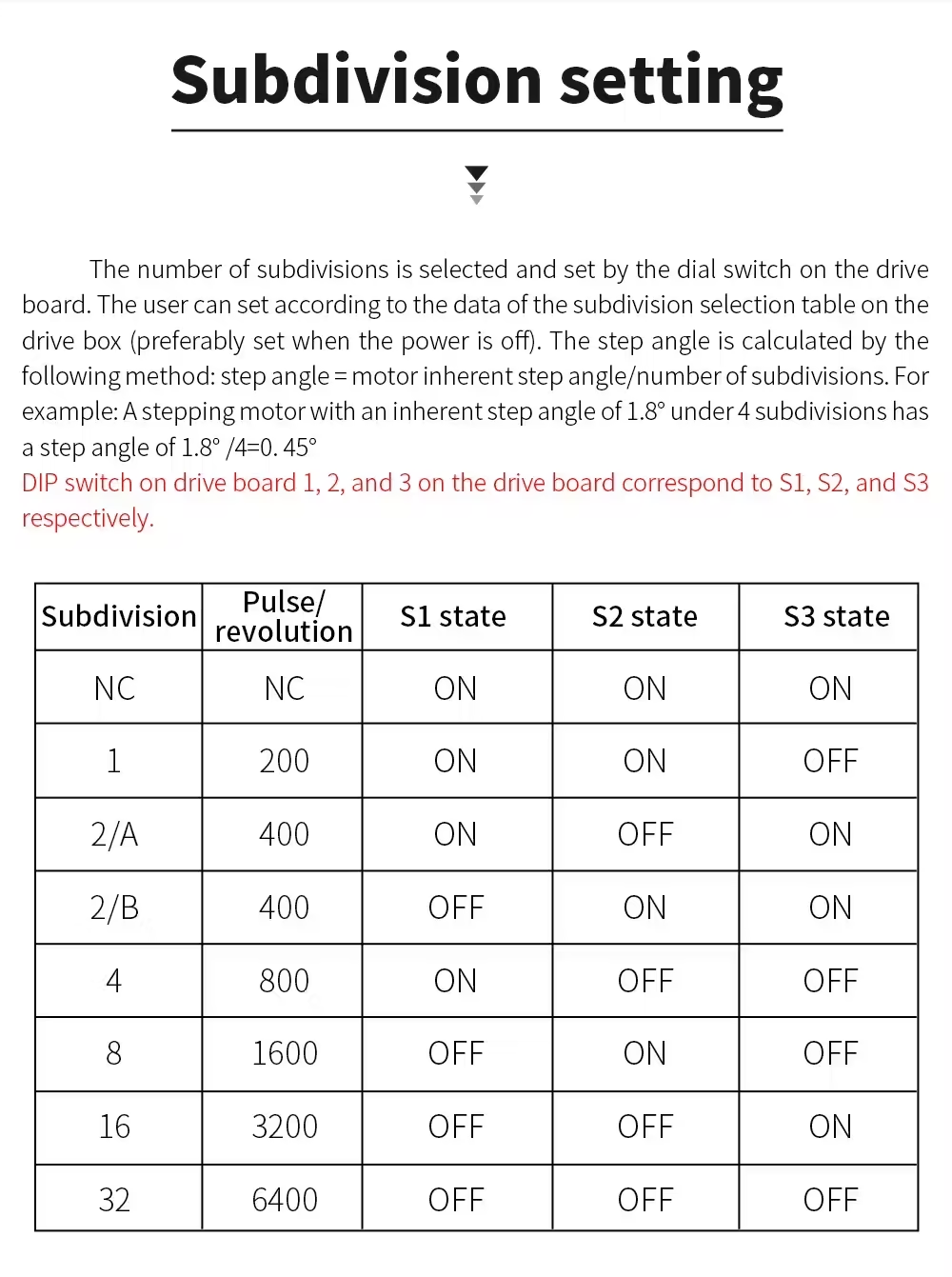
- 6-bit DIP switch for easy configuration of 7 microstepping settings (1, 2A, 2B, 4, 8, 16, 32)
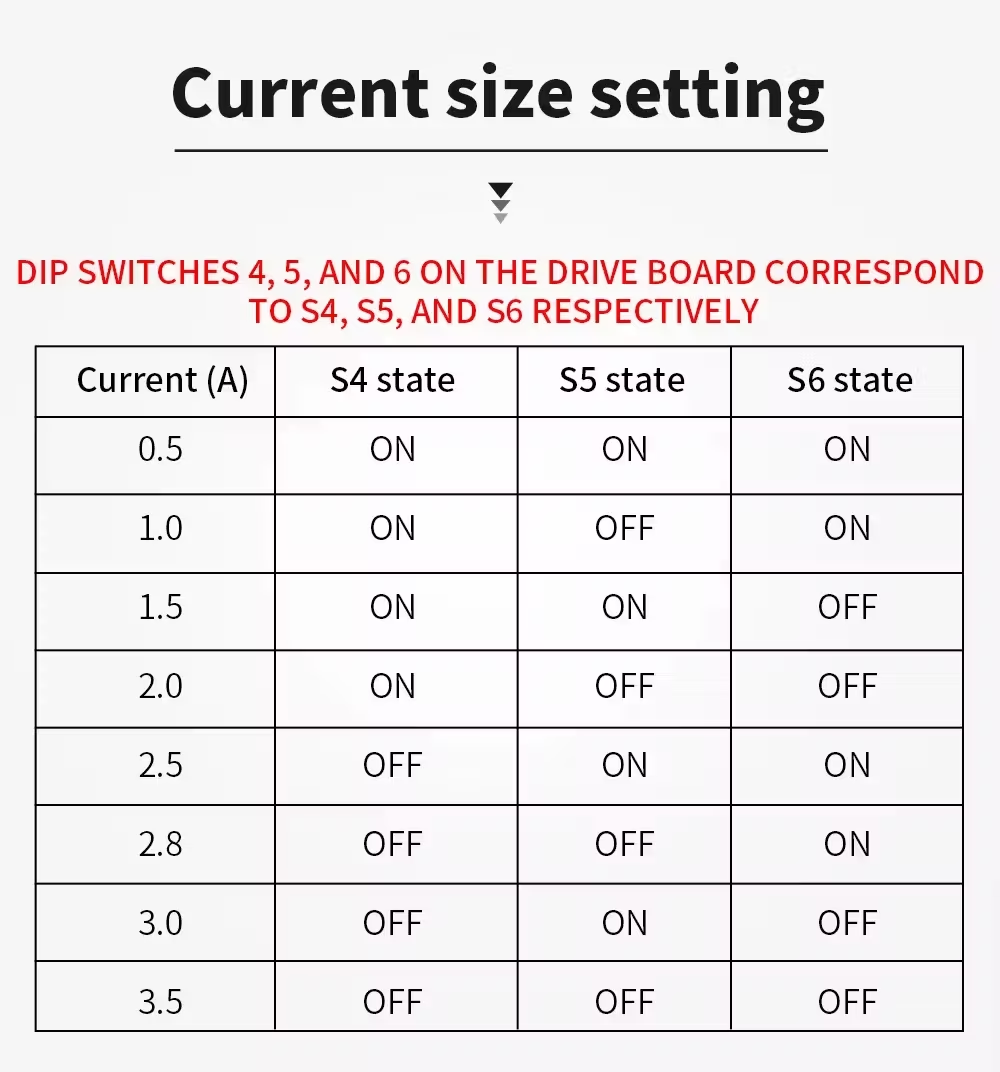
- Selectable 8-step output current levels (0.5A to 3.5A, peak current 4.0A)
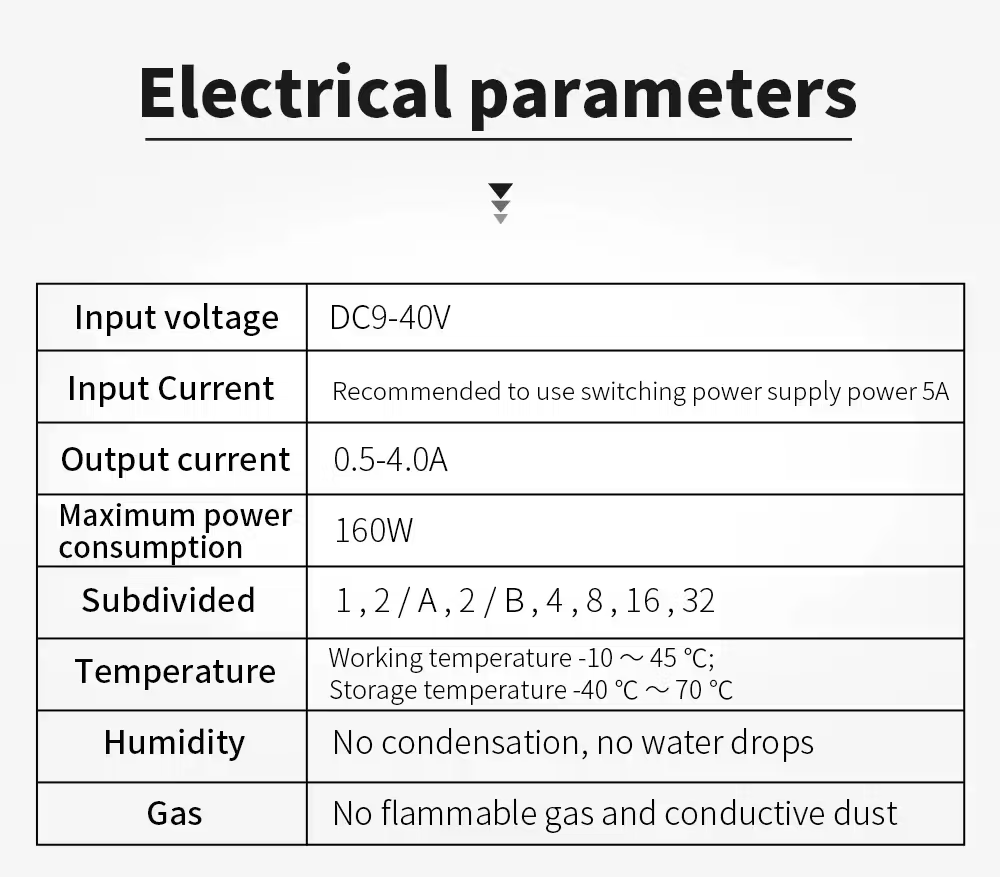
- Wide input voltage range: 9-42V DC, optimal at 12-30V DC
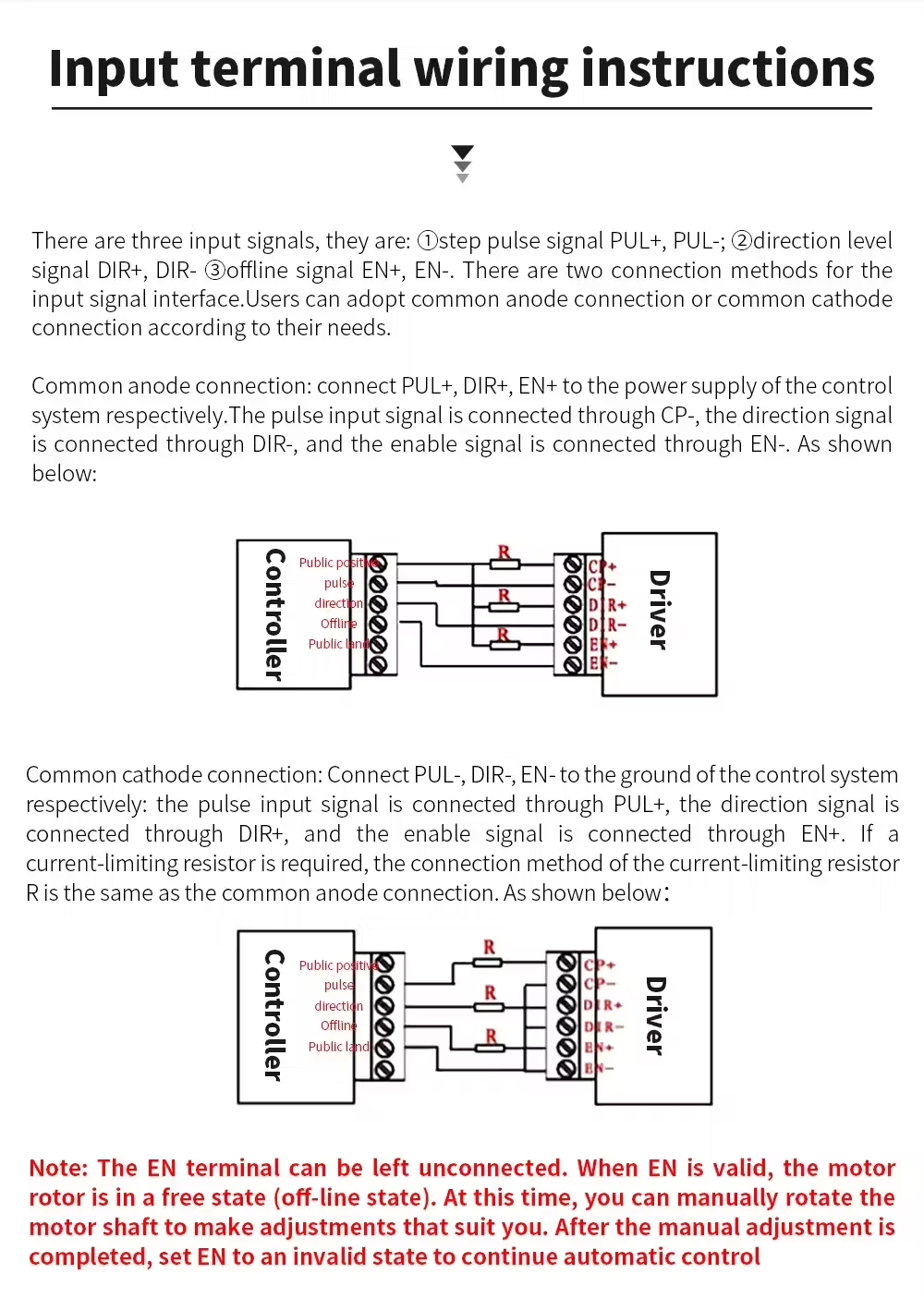
- Supports control signal voltage from 3.3V to 24V with no resistor required
- Optocoupler isolation for input signals ensures stable and interference-free operation
- Features built-in thermal and overcurrent protection for safe operation
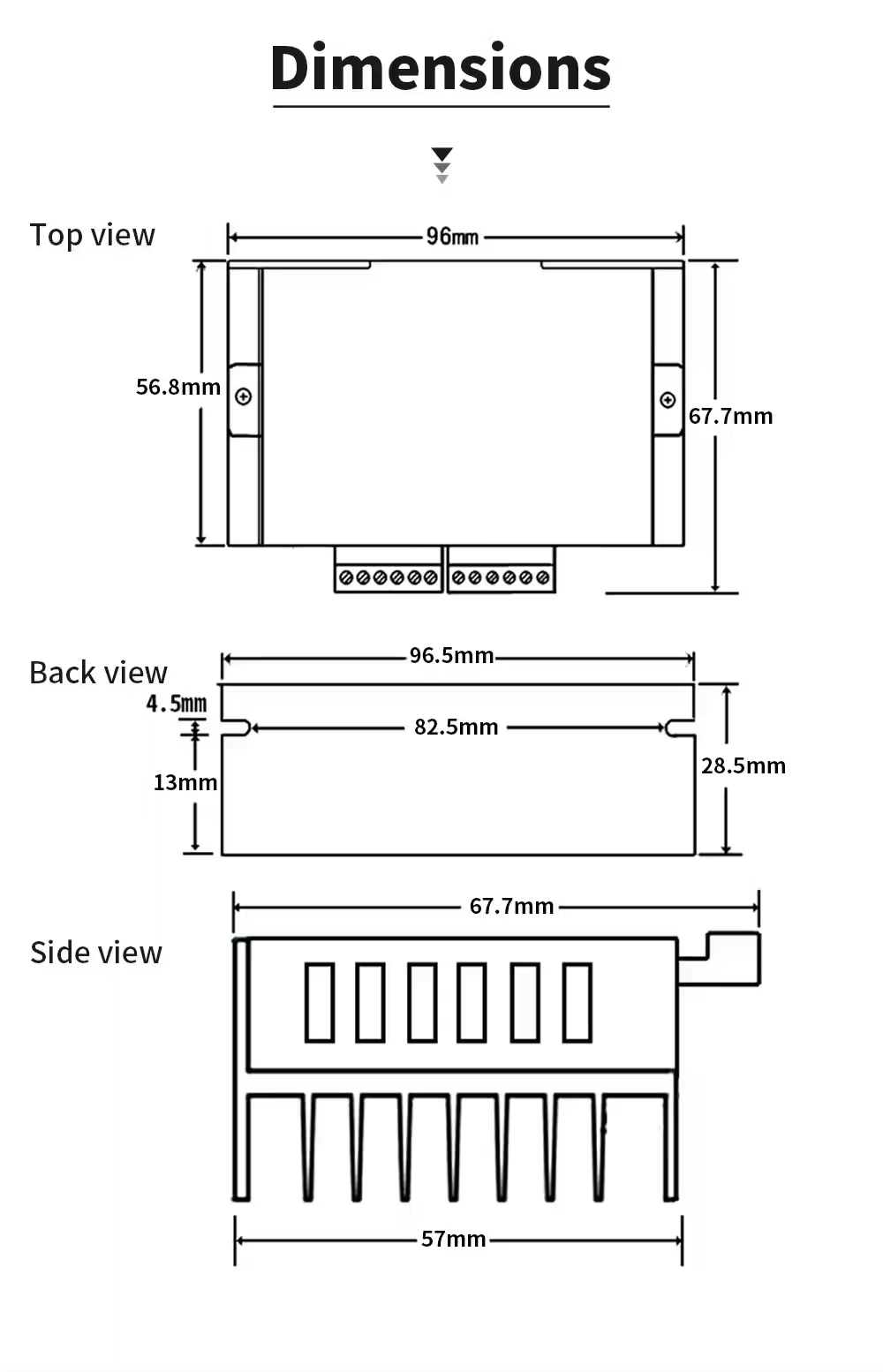
- Compact size allows for easy installation in tight spaces
- Includes motor noise reduction and automatic half-current for heat management
Technical Specifications:
- Power Supply: DC 9V – 42V (Optimal: 12V – 30V)
- Microstepping Options: 1, 2A, 2B, 4, 8, 16, 32
- Output Current: 0.5A to 3.5A (Peak 4.0A)
- Drive Type: H-Bridge Bipolar Constant Current
- Signal Input Voltage: 3.3V – 24V
- Protection Features: Overcurrent, Overheat, Automatic Half Flow
- Applications: CNC machines, engraving machines, laser cutters, plotters, and more
Frequently Asked Questions (FAQ):
Q1: How can I get started quickly when using this stepper driver for the first time?
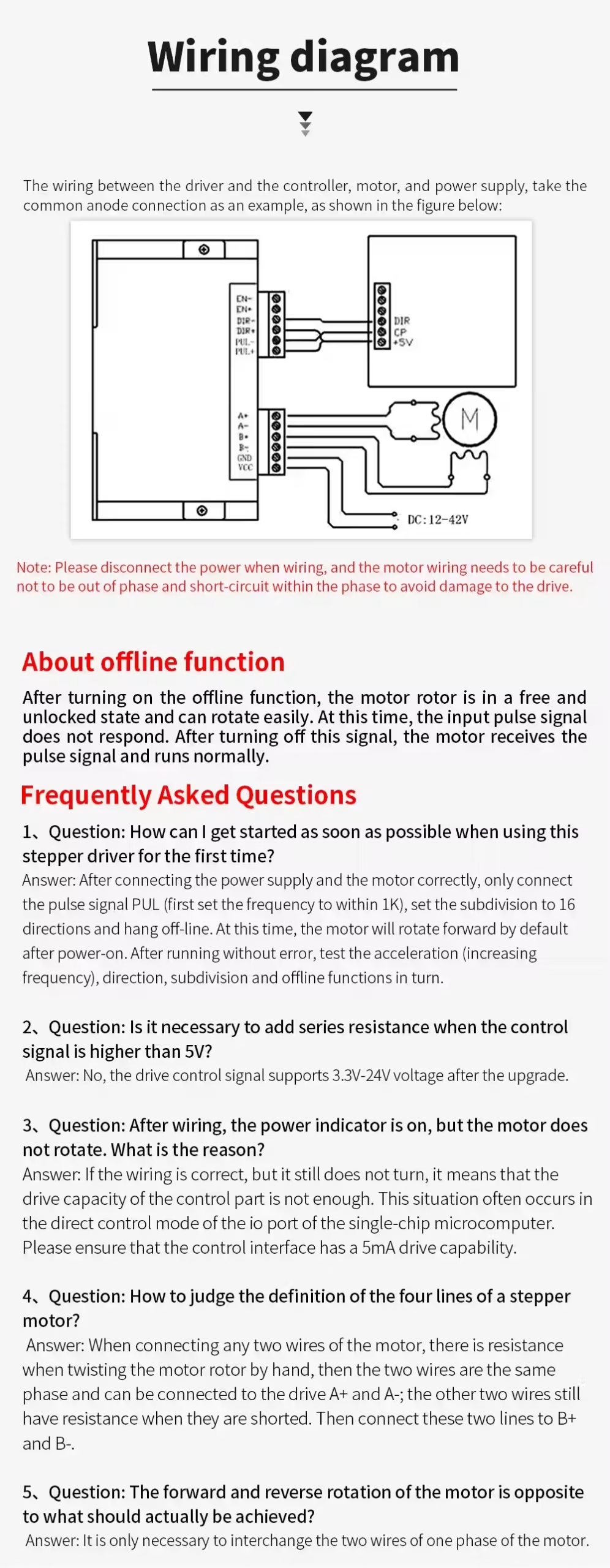
A: After correctly connecting the power supply and motor, connect only the PUL signal (start with a frequency under 1KHz), set subdivision to 16, and leave direction and offline unconnected. The motor will default to forward on power-up. After verifying proper operation, continue testing other functions like acceleration, direction change, subdivision, and offline control.
Q2: Do I need to add series resistance for control signals above 5V?
A: No, the upgraded TB6600 supports 3.3V–24V control signals without requiring any series resistance.
Q3: Why does the motor not rotate even though the power indicator is on?
A: This may indicate that the control signal does not provide sufficient drive current. Ensure the control interface can supply at least 5mA of drive current, especially when using direct control from microcontroller I/O ports.
Q4: How do I identify the phase wires of a stepper motor?
A: Connect any two motor wires and check if resistance is felt when rotating the motor by hand—those two wires form a phase and can be connected to A+ and A-. Repeat this with the remaining two wires for B+ and B-.
Q5: What should I do if the motor rotates in the opposite direction?
A: Simply reverse the wiring of one motor phase (e.g., swap A+ and A- or B+ and B-).
